 Ultimate guide
Navigating the Florida Real Estate Closing Process
Last Updated: October 28, 2026
Quick Summary
The florida closing process is the final meeting where ownership transfers from seller to buyer, the loan funds, and the deed is recorded. Most preparation happens beforehand, with the title company, lender, and closing agent completing their work before signing day.
- Read contract deadlines first and place inspection, financing, and closing dates on a shared calendar.
- Reconcile the Loan Estimate against the Closing Disclosure line by line before signing.
- Confirm prorations of taxes and HOA dues, since small errors often hide there.
- Call your settlement agent on a known number to verify wiring instructions before sending any funds.
- Bring a government-issued photo ID and confirm the accepted method for bringing cash to close.
Table of Contents
- What Happens During a Real Estate Closing in Florida
- Contract Deadlines, Inspections and Due Diligence
- How Long Does Closing Take in Florida
- Florida Closing Costs for Buyers and Sellers
- Florida Closing Documents Checklist
- When a Closing Is Delayed or a Contingency Fails
- Booking Your Closing and Getting the Keys
- Frequently Asked Questions
What Happens During a Real Estate Closing in Florida
A Florida real estate closing, the final step of the florida closing process, is the meeting where ownership of a property transfers from seller to buyer, the loan funds, and the deed is recorded. Buyers and sellers sign the documents, and the settlement agent disburses the money.
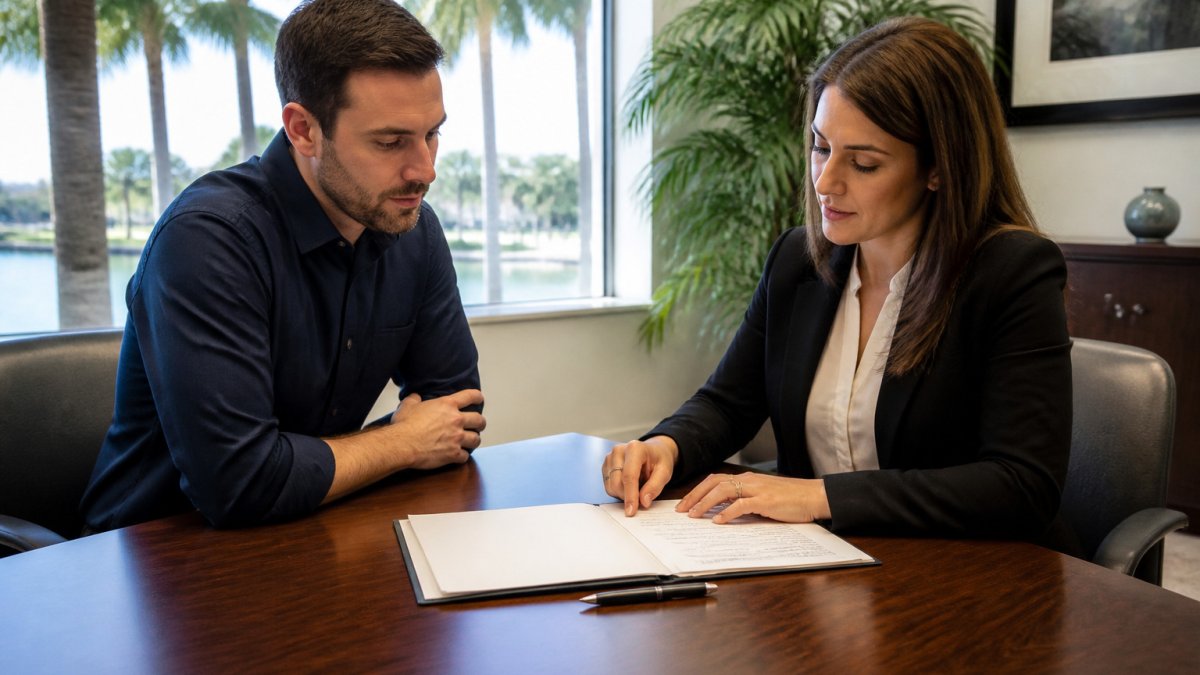
Most of the work happens before the signing table. The title company confirms the seller can legally convey the property, the lender finalizes the loan, and the closing agent prepares the settlement statement. On closing day, the buyer signs the loan and transfer documents, the seller signs the deed and affidavits, and funds are wired to the appropriate parties. In Florida, closings are typically handled by a title company, a real estate attorney, or both, depending on local practice and the contract terms.
Contract Deadlines, Inspections and Due Diligence
The purchase and sale agreement sets the timeline for everything that follows. Earnest money deposits, inspection periods, financing deadlines, and the target closing date are all written into the contract. Read these dates first and put them on a shared calendar.
Inspection Period and Repair Negotiations
The inspection period gives buyers a window to hire inspectors and evaluate the property's condition. Common findings include roof wear, HVAC problems, plumbing issues, and wood-destroying organism damage. If the roof is aging, read a buyer's guide to purchasing a home with an old roof in Florida before you open repair negotiations. Buyers can request repairs, ask for seller credits, or walk away within this window. Waiting until the last day to respond leaves little room to negotiate.
Title Review, Appraisal and Financing Contingencies
The title search checks for liens, unpaid taxes, easements, and ownership disputes before the buyer takes title (§ 1010.209 Title and land use.). The lender's appraisal is part of the financing process, and if it comes in low, the buyer and seller may need to address the difference. Understand Florida roof age requirements for home insurance before the inspection period ends, since insurers often ask about roof age during due diligence. Financing contingencies are addressed in the purchase contract.
How Long Does Closing Take in Florida
The full florida closing process depends on each party's timing. Timelines depend on the lender, the title search, inspection results, and how quickly both sides return paperwork.
Florida Closing Costs for Buyers and Sellers
Closing costs depend on the loan type, the purchase price, the county, and what the contract negotiates. Ask your settlement agent for a Loan Estimate and a Closing Disclosure so you can compare them line by line.
What Buyers Typically Pay
- Lender fees, origination, underwriting, processing, and discount points if you buy the rate down.
- Third-party loan costs, appraisal, credit report, flood certification, and tax service fees.
- Title charges, the lender's title policy (required by the lender), title search and exam, and escrow/closing fees.
- Government recording and transfer charges, recording fees for the deed and mortgage, and in many contracts the buyer pays the documentary stamp tax on the note (a mortgage tax calculated on the loan amount).
- Prepaids and escrow deposits, homeowners insurance premium, prepaid interest, and initial deposits into the escrow account for taxes and insurance.
- Prorations, your share of property taxes and any HOA dues for the days you own the property in the closing month.
What Sellers Typically Pay
- Owner's title insurance policy, customary for the seller in most transactions, though it is negotiable.
- Documentary stamp tax on the deed, a transfer tax calculated on the sale price.
- Real estate commissions, per the listing agreement.
- Repair credits or concessions negotiated during the inspection period.
- Prorated taxes and HOA dues for the days the seller owned the property, plus estoppel and payoff fees charged by an HOA or lender.
Sample Settlement Breakdown
The table below is an illustrative example of how a settlement statement is organized for a financed purchase. The amounts are placeholders chosen to show the math, not quotes, your actual figures will come from your settlement agent on the Closing Disclosure.
| Item | Paid By | Example Amount |
|---|---|---|
| Lender origination fee | Buyer | $1,200 |
| Appraisal and credit report | Buyer | $650 |
| Lender's title policy | Buyer | $1,450 |
| Owner's title policy | Seller (typically) | $1,800 |
| Title search and closing fee | Split per contract | $475 |
| Recording fees (deed and mortgage) | Buyer and seller | $175 |
| Documentary stamp tax on deed | Seller (typically) | Calculated on sale price |
| Documentary stamp tax on note | Buyer | Calculated on loan amount |
| Prepaid homeowners insurance | Buyer | $2,100 |
| Escrow deposits (taxes and insurance) | Buyer | $1,900 |
| Prorated property taxes | Split by closing date | Prorated to closing day |
| Earnest money credit | Buyer | Credited to cash to close |
Two lines deserve special attention. Prorations are where small errors hide: confirm the closing agent used the correct tax bill and the correct number of days.
Consumer Financial Protection Bureau closing disclosure explainer
Florida Closing Documents Checklist
Closing day is mostly a signing exercise, but the documents you sign each do a specific job. Knowing what each one does, and who signs it, makes the stack less intimidating and helps you catch errors before the deed is recorded.
Documents Buyers Sign
- Closing Disclosure, the final statement of your loan terms and costs. It lets you review your loan terms and costs and compare them to your Loan Estimate.
- Promissory note, your promise to repay the loan on the stated terms. This is the document that creates the debt.
- Mortgage or deed of trust, the security instrument that gives the lender the right to foreclose if you do not pay. The mortgage is recorded in the county's official records (After closing).
- Initial escrow statement and servicing disclosure, explains how your escrow account will be funded and who will service the loan.
- Affidavits and disclosures, occupancy, identity, and other certifications the lender and title agent require.
Documents Sellers Sign
- Deed, the instrument that actually transfers title. Florida closings commonly use a warranty deed or a special warranty deed, depending on the contract.
- Seller's affidavit, sworn statements about liens, possession, and known defects that the title insurer relies on.
- Bill of sale and assignment of leases, if personal property or tenant leases transfer with the sale.
- Closing statement, the seller's side of the settlement statement showing proceeds and payoffs.
What to Bring and How Signing Works
Bring a government-issued photo ID and confirm your settlement agent's preferred method for bringing cash to close. Signing happens at the agreed location. After signing, the closing agent disburses funds to the seller and payoff lenders, and the deed and mortgage are sent for recording. Confirm the possession timing in writing.
- Government-issued photo ID
- Closing Disclosure reviewed at least three business days ahead
- Proof of homeowners insurance
- Verified funds for cash to close
- Contact information for utilities and HOA
Protecting Your Funds: Wire Fraud Prevention
Wire fraud targets buyers who receive emailed wiring instructions that look legitimate. Before sending any money, call your settlement agent at a phone number you already have on file, not one from an email, and confirm the account details verbally. Never accept changed wiring instructions by email alone. Ask your agent how they verify funds, and treat any last-minute change as a red flag.
After You Sign: Recording, Disbursement, and Possession
After closing, post-closing tasks can include updating your homeowners insurance, setting up utilities, and confirming the property tax records reflect your name. Keep your Closing Disclosure and recorded deed in a safe place.
When a Closing Is Delayed or a Contingency Fails
Closings can be postponed when a lender needs more time, a title issue needs attention, or a repair is still outstanding. The parties can discuss an amended closing date. Review the agreement's terms and consult your agent or attorney before taking action.
Booking Your Closing and Getting the Keys
Post-closing tasks include updating your homeowners insurance, setting up utilities, and confirming the property tax records reflect your name. If you are weighing what your current home is worth before you buy or sell, you can request a professional home valuation from FloridaSells to help determine your home's market value.
Frequently Asked Questions
What happens during a real estate closing in Florida?
At a closing, the buyer and seller sign documents related to the transaction. The settlement agent disburses the money.
How long does it take to close on a house in Florida?
The contract's inspection period, financing timeline and closing date affect the schedule. Confirm the target closing date early and keep your lender and closing agent updated.
What documents should buyers bring to closing in Florida?
Confirm with your closing agent what to bring and how to provide funds. Review the closing documents before the appointment.
Who pays closing costs in Florida?
The purchase agreement addresses closing costs. Request a written estimate from your closing agent or lender.
Can a Florida real estate closing be delayed?
A closing can be delayed. Review the purchase agreement and consult your agent or attorney before taking action.
What happens on closing day before the buyer gets the keys?
Closing-day steps and key-release timing depend on the transaction. Confirm the process with your closing agent.
Ready to close with confidence? FloridaSells combines local market knowledge with a customized MLS search tool and free real estate reports to help buyers and sellers in Orange and Osceola County move through closing smoothly.